
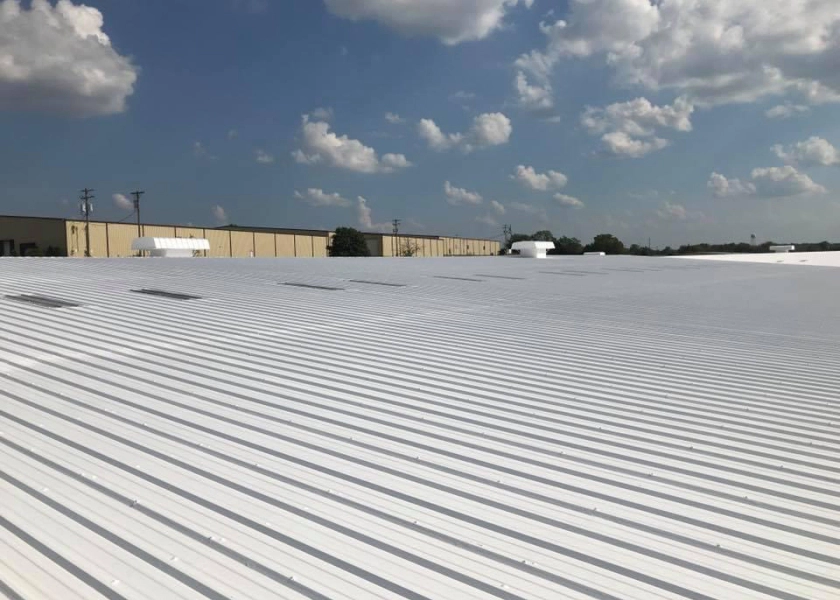
Understanding Elastomeric Coating Technology
Elastomeric coatings represent a significant advancement in commercial roofing technology, offering building owners in the Dallas-Fort Worth metroplex a proven method to extend roof service life by 15 years or more. These specialized polymer-based membranes stretch and contract with temperature fluctuations, creating a seamless, waterproof barrier that adapts to the thermal expansion and contraction cycles common in North Texas.
Unlike traditional asphalt-based products that crack and degrade under intense UV exposure, elastomeric systems contain highly reflective titanium dioxide pigments that deflect up to 85% of solar radiation. This reflective property is particularly valuable in White Settlement and surrounding areas, where summer roof surface temperatures regularly exceed 160°F. By reducing heat absorption, these coatings lower cooling costs by 20-30% while protecting the underlying substrate from thermal shock.
The chemistry behind elastomeric coatings involves cross-linked polymer chains that create exceptional elongation properties, typically between 300-600%. This flexibility allows the coating to bridge hairline cracks and accommodate structural movement without tearing or separating. When applied by qualified commercial roof coating contractors, these systems form a monolithic membrane that eliminates thousands of potential leak points found in traditional multi-ply roofing systems.
Modern formulations also incorporate advanced fungicides and algaecides that prevent biological growth, a consideration in humid climates. The result is a self-cleaning surface that maintains its reflective properties and aesthetic appearance throughout its service life, providing long-term value that far exceeds the initial investment.
Pre-Application Roof Assessment Methods
Successful elastomeric coating applications begin with thorough roof assessment to identify existing damage, moisture intrusion, and structural deficiencies. Professional thermal imaging services have become the industry standard for detecting hidden moisture trapped beneath roof membranes, a critical step that prevents coating over compromised substrates.
Infrared thermography identifies temperature differentials as small as 0.5°F, revealing wet insulation that appears identical to dry material during visual inspections. In the Fort Worth area, where afternoon thunderstorms can deposit two inches of rain in less than an hour, even minor membrane breaches can saturate insulation over time. Coating over these wet areas traps moisture, leading to accelerated deterioration and premature coating failure.
Beyond moisture detection, pre-application assessments evaluate substrate compatibility, surface contamination, and structural integrity. Coating contractors perform adhesion tests on representative roof sections, analyzing bond strength to ensure the existing membrane can support the new system. They also inspect fastener patterns, seam integrity, and flashing conditions to determine whether targeted commercial roof repair is needed before coating application.
Core sampling provides additional data about insulation condition and deck soundness, particularly important for buildings constructed before modern building codes. These samples reveal compression, water damage, and material degradation that surface inspections cannot detect. Armed with this information, property owners can make informed decisions about repair scope, coating system selection, and realistic performance expectations for their investment.
Surface Preparation and Repair Protocols
Proper surface preparation determines coating performance more than any other factor. The process begins with thorough cleaning to remove dirt, biological growth, and oxidized roofing materials that prevent adhesion. High-pressure washing at 3000-4000 PSI effectively removes contaminants while avoiding damage to sound membrane materials.
After cleaning, technicians address all identified defects through systematic repairs. Split seams receive heat welding or reinforcing fabric, blisters are cut and patched, and deteriorated flashings are replaced. Fastener heads that have backed out or torn through membranes require mechanical reattachment and sealing. This repair phase is particularly critical in areas that experience severe weather, as unaddressed vulnerabilities will telegraph through coating systems and create failure points.
Proper detailing around roof penetrations, parapet walls, and drainage components requires specialized materials and techniques. Termination bars secure coating edges at vertical transitions, while reinforcing fabric embedded in base coats bridges transitions between different substrate materials. Drain basins and scupper boxes receive multiple coating applications to ensure adequate film thickness in these high-stress areas.
Surface profile also affects coating adhesion and performance. Some substrates require primer application to improve bond strength, while glossy surfaces need light abrasion to create mechanical tooth. The expertise of experienced roof coating contractors ensures these preparation steps are completed according to manufacturer specifications, protecting warranty coverage and maximizing system longevity. Rushed preparation to meet project deadlines inevitably leads to callbacks and premature failures that negate the cost advantages of coating versus replacement.
Long-Term Maintenance for Peak Performance
Application methodology directly impacts coating performance and service life. Professional contractors use calibrated airless spray equipment that atomizes coating material for uniform coverage and consistent mil thickness. Spray application achieves superior penetration into surface irregularities compared to roller methods, creating better mechanical bonding and eliminating thin spots that lead to premature wear.
Mil thickness specifications vary by coating type and manufacturer, typically ranging from 20-40 mils dry film thickness. Achieving proper thickness requires multiple passes, with base coats providing waterproofing and subsequent coats building UV resistance and reflectivity. Experienced applicators verify wet film thickness during application using calibrated gauges, accounting for solids content to ensure specified dry thickness after curing.
Environmental conditions during application are equally important. Elastomeric coatings require substrate temperatures between 50-100°F and relative humidity below 85% for proper curing. Morning applications in White Settlement often provide ideal conditions, as afternoon heat in summer months can cause rapid solvent evaporation and film defects. Contractors monitor weather forecasts closely to avoid rain within 24 hours of application, which can wash uncured coating and compromise waterproofing.
Quality assurance extends beyond application to include post-installation inspections and documentation. Reputable contractors photograph completed work, record coating batch numbers for traceability, and provide property owners with detailed maintenance guidelines. These practices ensure warranty compliance and establish baseline conditions for future roof assessment and maintenance planning. When combined with proactive inspection schedules and minor touch-up repairs, professionally applied elastomeric coatings routinely deliver 15-20 years of reliable service, deferring costly commercial roof installation and preserving capital for other business priorities.
Cost Analysis and Return on Investment
Elastomeric coatings deliver their full 15-year service life only when paired with systematic maintenance programs tailored to North Texas climate conditions. Building owners who implement bi-annual inspection schedules consistently achieve superior coating performance compared to those who defer maintenance until visible problems emerge.
Spring inspections should focus on winter storm damage assessment, particularly after the intense hail events common to the Dallas-Fort Worth region between March and May. Professional roof coating contractors examine seam integrity, ponding water areas, and debris accumulation around mechanical equipment that accelerates coating degradation. These targeted inspections identify minor issues before they compromise the waterproof membrane.
Fall maintenance addresses summer heat stress and prepares roofs for winter weather cycles. Texas summers regularly push surface temperatures above 160 degrees Fahrenheit, causing expansion stress at flashing details and penetration points. Contractors verify that coating thickness remains adequate in high-wear zones and that reflective properties have not diminished from airborne contaminants or biological growth.
Routine maintenance tasks include removing accumulated debris, clearing drainage pathways, and applying touch-up coatings to areas showing early wear patterns. Professional maintenance programs typically cost 15-20% of what emergency repairs demand, making them financially prudent investments. Documentation of these maintenance activities also strengthens warranty compliance and provides valuable records for property transactions or insurance claims related to storm damage restoration needs.